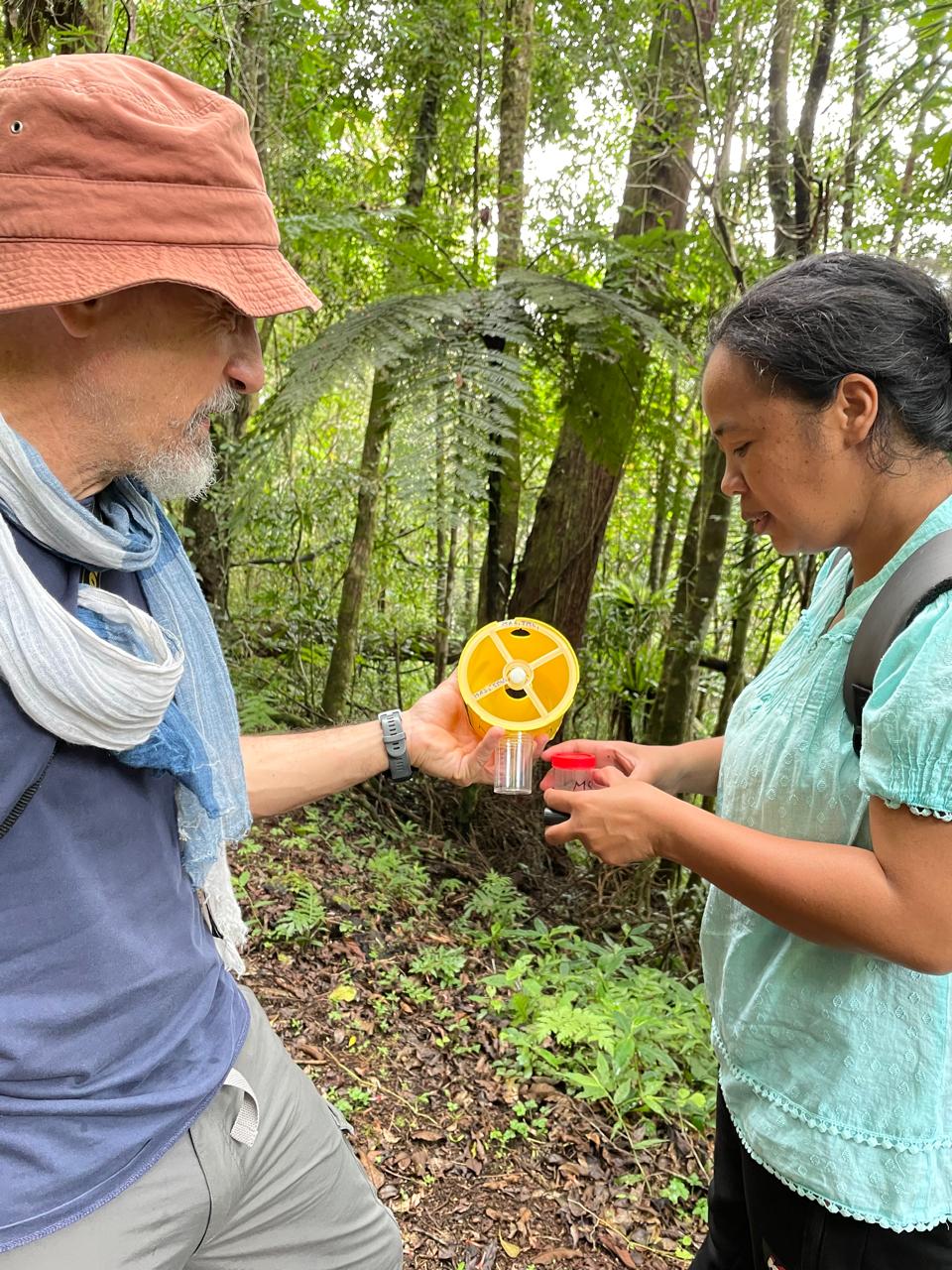
Fruit fly survey in Madagascar in collaboration with CIRAD - La Réunion

From 5 to 15 December 2025, researchers from the Royal Museum for Central Africa (RMCA) conducted a fruit fly (Diptera: Tephritidae) survey in northern Madagascar, within the framework of the EPIBIO-OI project (EPIdemiological surveillance and BIOcontrol in the South-west Indian Ocean). The mission, coordinated by CIRAD (Hélène Delatte), focused on the Montagne d’Ambre and Ankarana National Parks, two biodiversity hotspots where baseline data on wild fruit fly fauna remain limited.
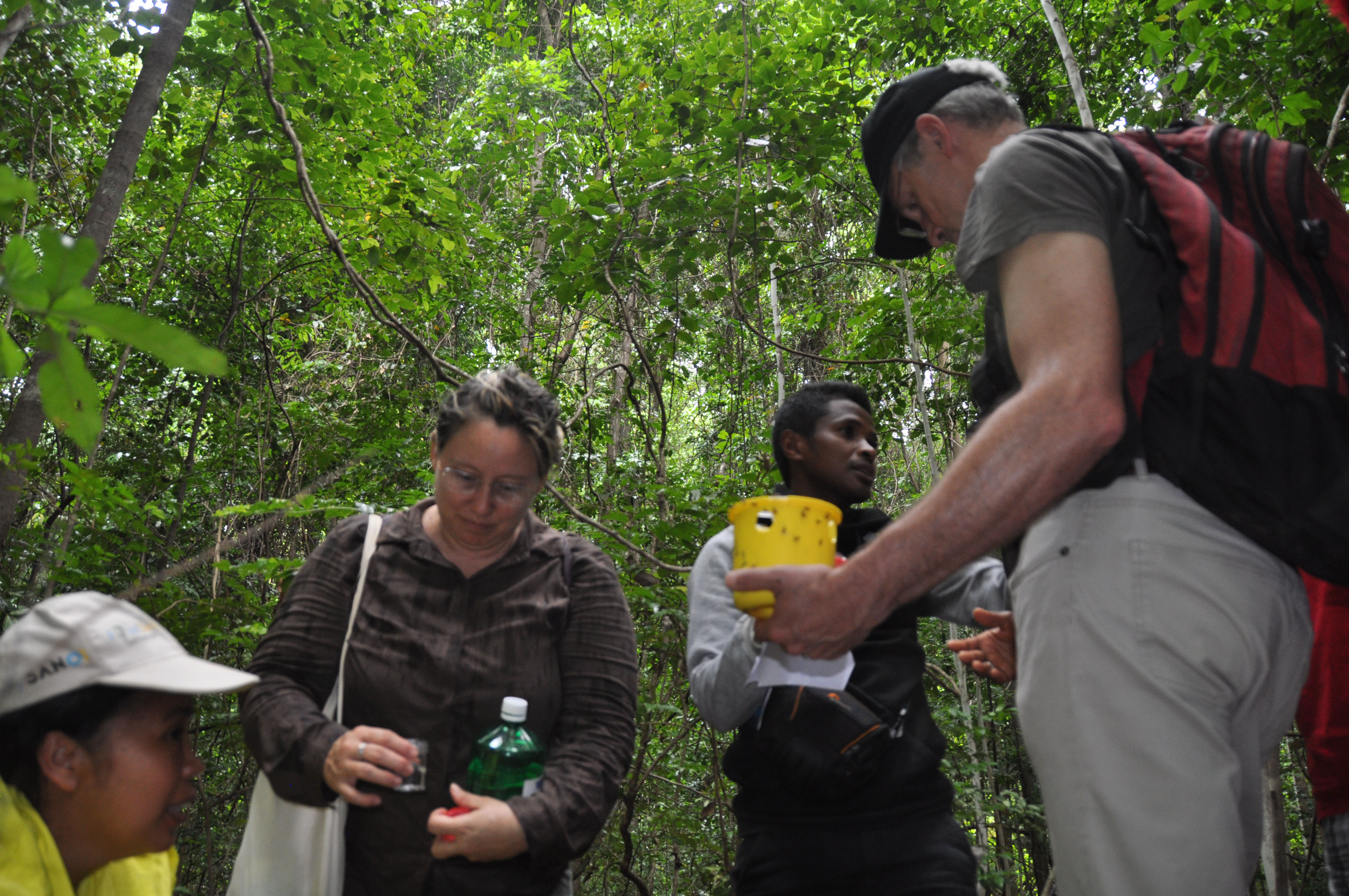
The survey combined field trapping, wild fruit collection, and on-site training in species identification. Standard Tephri-traps with multiple lures were monitored, alongside the testing of novel attractants such as EGOlure and zingerone. Marked differences in trap catches were observed between sites, notably for Bactrocera dorsalis, reflecting contrasts in surrounding land use and host availability.
In parallel, batches of wild fruits were collected as potential hosts and transferred to FOFIFA laboratories in Antananarivo for rearing, complementing trapping data and providing additional biological information on host use.
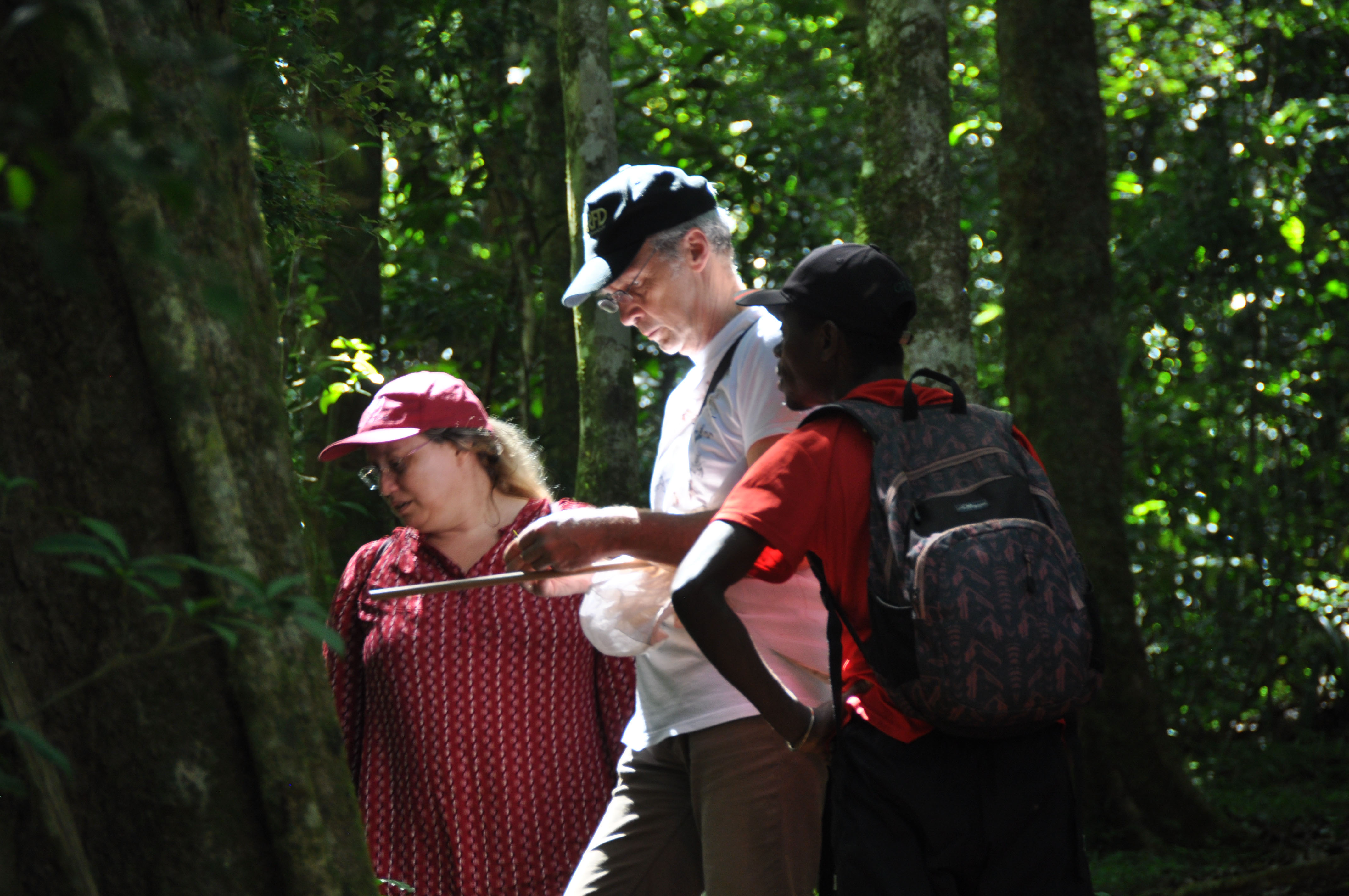
A key component of the mission was capacity building. Identification training sessions were organised both in the field and at FOFIFA, targeting project trainees and academic staff from the University of Antananarivo. These sessions relied on morphological keys, digital multi-entry tools, and reference collections, with a focus on the most frequently encountered taxa.
To support long-term identification capacity, Madagascar-specific subsets of digital identification tools and virtual reference collections were developed and shared, simplifying access to reliable taxonomic resources for the Malagasy fruit fly fauna.
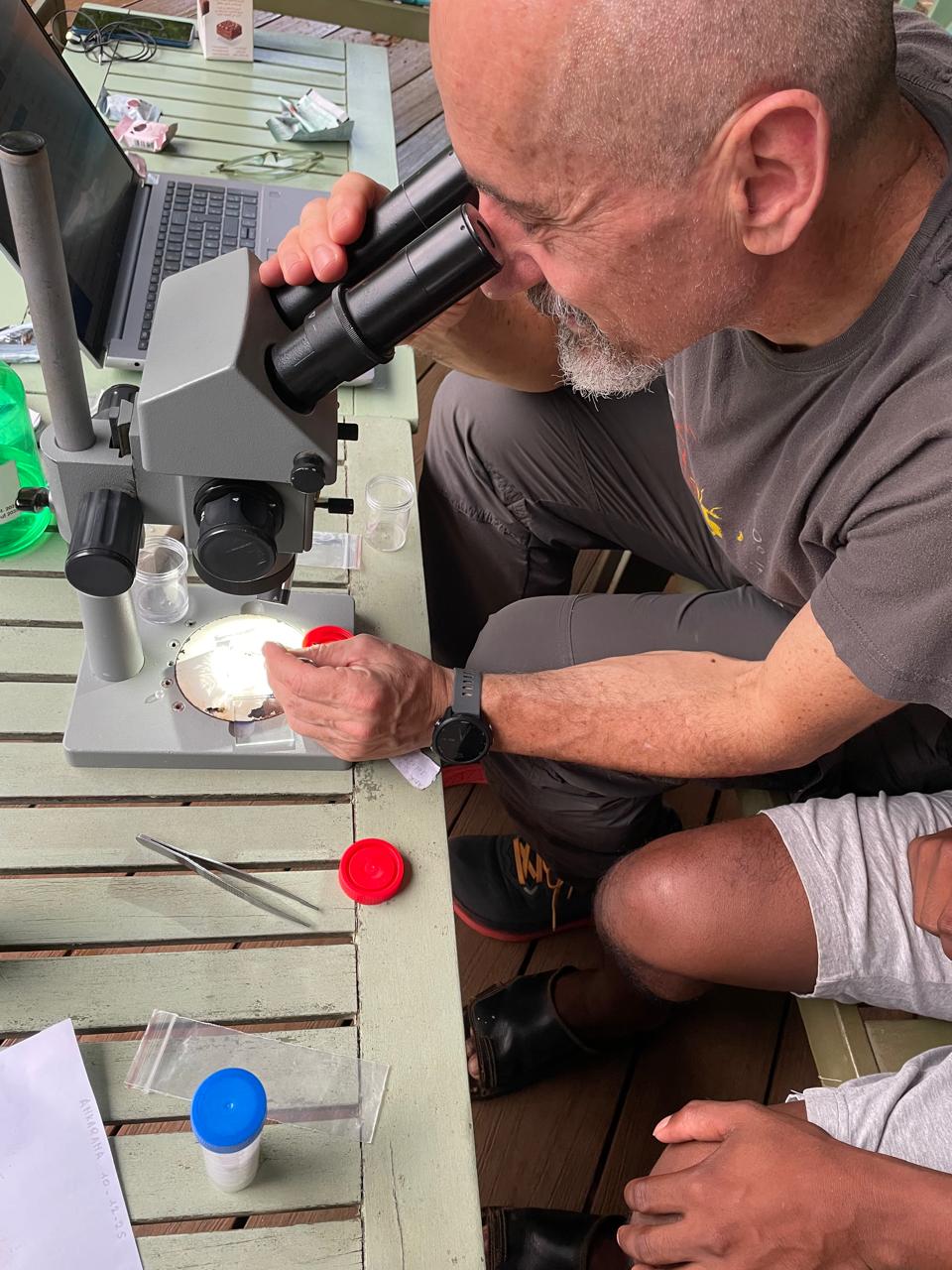
The mission also laid the groundwork for future collaborative research, including molecular identification of Ceratitis and Dacus species. Beyond EPIBIO-OI, the collected material will contribute to regional initiatives such as DISPEST, reinforcing Madagascar’s role in international research on fruit fly systematics, surveillance, and pest management.